15 Years of Solar in the UK: How solar farms power clean energy growth
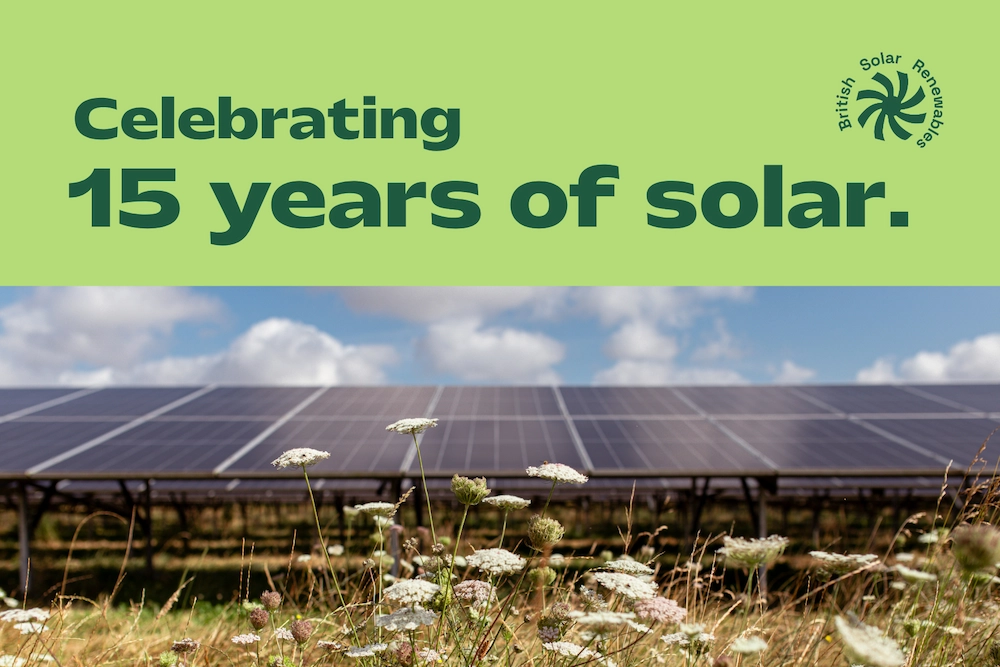
As the UK approaches the summer solstice, it marks 15 years since the first utility‑scale solar farm began generating electricity.
In June 2011, a small 1MW site in Somerset quietly came online. At the time, solar was still finding its place in the UK’s energy mix. Today, it plays a central role.
Over the past decade and a half, solar has moved from something new to something essential. It now supports the country’s energy system every day, providing a steady source of homegrown electricity and helping reduce reliance on imported fuels.
From First Solar Farms to Everyday Energy in the UK
There’s now more than 25GW of solar capacity operating across the UK. That growth has changed how electricity is generated and where it comes from.
Solar has become one of the most cost‑effective forms of new power generation, helping to stabilise supply and reduce exposure to volatile global markets. It’s also becoming more visible in the system itself. Earlier this year, solar reached a record peak, supplying close to half of the UK’s electricity demand at midday.
That kind of contribution would’ve been hard to imagine 15 years ago. Now, it feels like part of the everyday.
For us, that shift is something we’ve seen directly. Over the past year alone, projects across our portfolio have generated more than 600,000MWh of renewable electricity annually, powering homes and supporting the UK’s wider energy system.
How Solar Farms Support Communities and the UK Economy
The story of solar isn’t just about electricity. It’s also about the places where projects are built and the role they play over time.
Across the country, solar has supported jobs, strengthened supply chains and brought long‑term investment into rural areas. For farmers, it’s offered a way to diversify income while continuing to manage land for agriculture. In a sector facing pressure from changing markets and climate conditions, that stability matters.
We see this play out in the way sites are used day to day. Land remains active, often supporting grazing, while continuing to deliver clean energy into the grid.
Find out more about the benefits of solar farms in our complete UK guide.
Key Solar Energy Statistics from the UK’s Clean Energy Transition
The scale of that change is now clear across the UK:
- 86% of people say they would be happy to see a solar farm in their local area
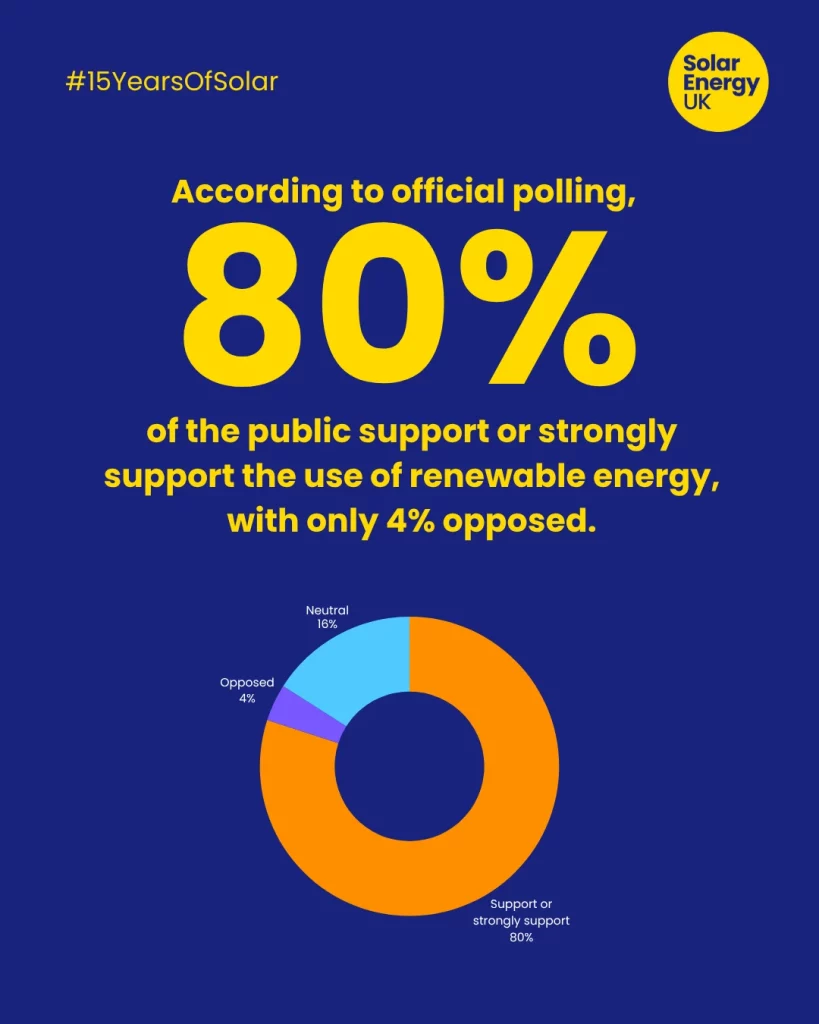
- 80% support renewable energy, with very few opposed
- Solar recently reached a record peak of 16.3GW, supplying 46% of Great Britain’s electricity at midday
- More than 1,200 ground‑mounted solar sites are now operating, with many more in development
- Around 6.5% of Great Britain’s electricity came from solar last year
- By 2030, the UK aims for 95% of electricity to come from clean sources, with solar playing a central role
These figures reflect something straightforward. Solar has moved from a new technology to a widely understood part of the energy system.
How Solar Farms Support Land, Nature and Biodiversity
The way solar sites are managed has evolved alongside the technology. What started with a focus on generation has grown into a broader view of how land can be used well over time.
Across many projects, including our own, the land stays active. It’s grazed, maintained and often enhanced through wildflower planting, hedgerow improvements and habitat creation. These aren’t add‑ons. They’re part of how sites are designed from the start.
At BSR, this sits within our Nature Protection Pledge and a minimum 60% biodiversity net gain target across the projects we develop. In practice, many sites go further. Projects entering planning in the past year are averaging more than 160% biodiversity net gain, alongside practical measures such as hedgerow planting and habitat features that support birds, bats and pollinators.
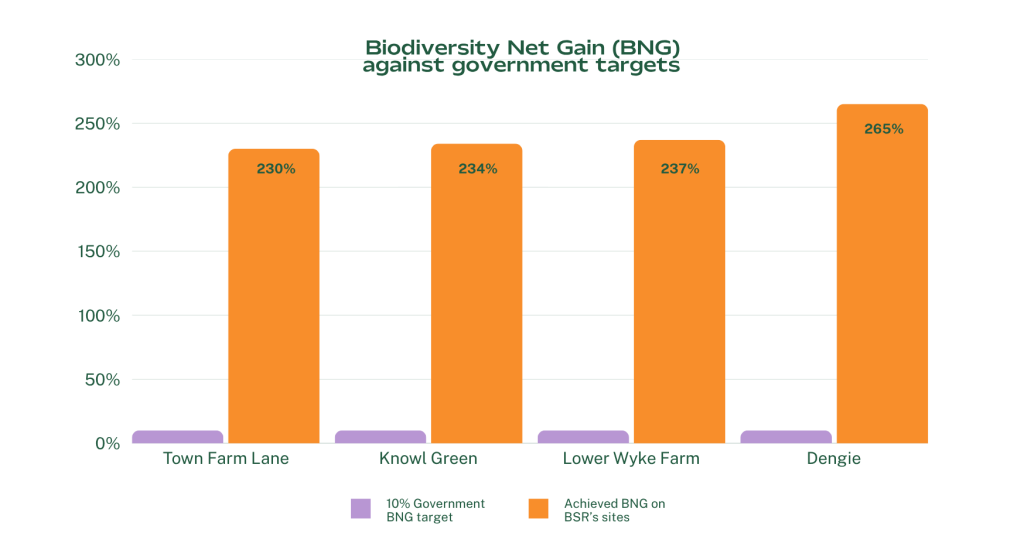
It’s a way of making sure clean energy supports the land it sits on, not just the grid it feeds into.
Why Solar Energy Has Strong Public Support in the UK
Public expectations around energy have shifted over the past 15 years. People are looking for reliable, affordable power, along with a stronger sense of resilience and long‑term value.
Solar speaks to that. It’s local, visible and increasingly understood as part of a practical solution. As more projects are delivered, the benefits become easier to see.
The Future of Solar Energy in the UK
The first generation of solar projects showed what was possible. The next phase builds on that foundation.
As the UK moves towards a cleaner power system, solar will continue to play a central role alongside wider changes in how energy is generated and used.
Fifteen years on, one thing is clear. Solar has become part of how the UK powers itself. It supports the grid, contributes to communities and works with the landscape when it’s designed and managed with care.
That progress has happened steadily. Small projects became larger ones. New approaches became established ways of working. What once felt new now feels familiar. And that’s a sign of how far the sector has come.