World’s End Solar Park
Delivering clean energy while creating space for nature
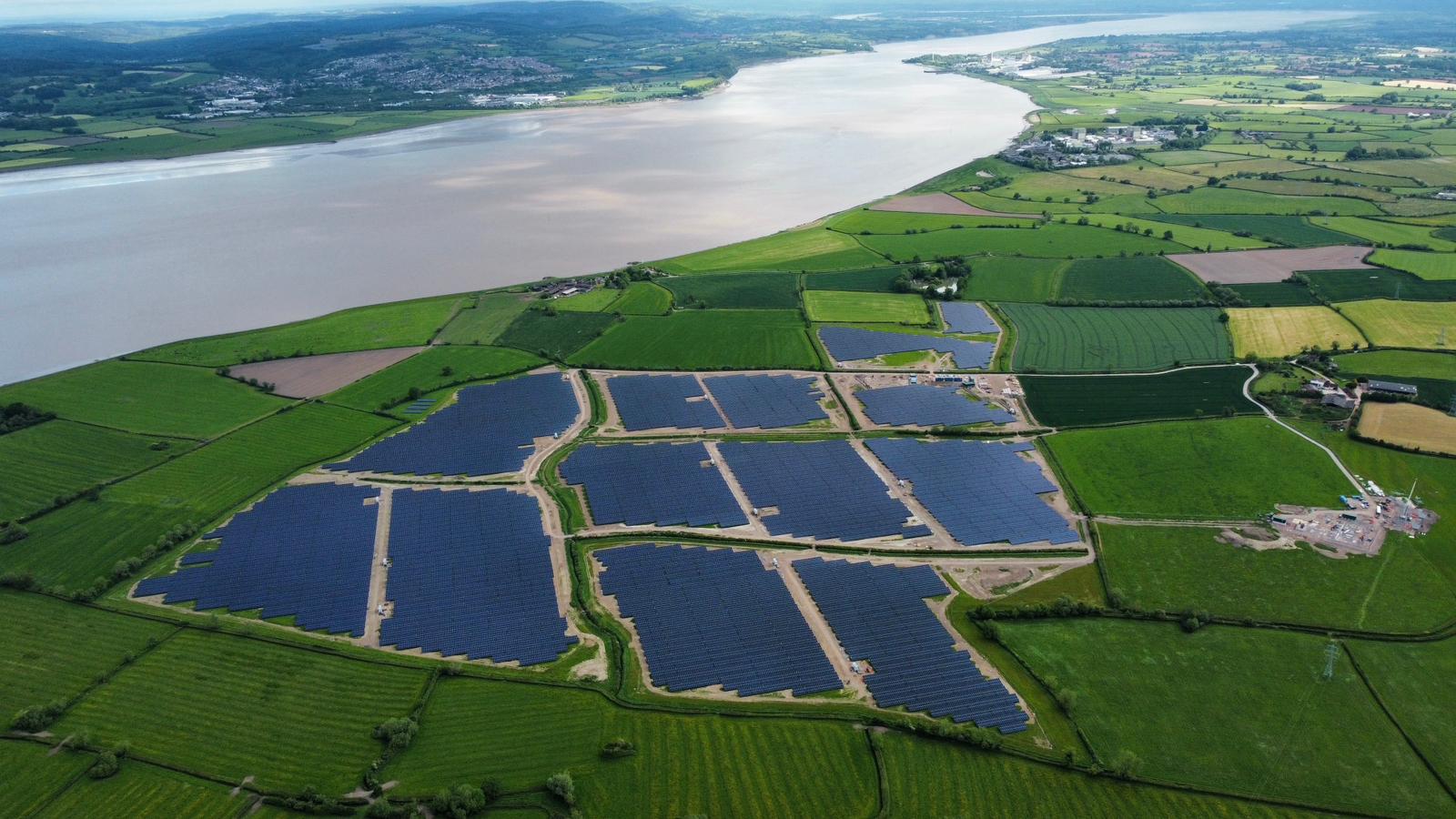
World’s End Solar Park is a 49.99MW solar project in Gloucestershire. The site generates approximately 56,589MWh of renewable electricity each year, enough to power around 12,501 homes* while avoiding approximately 11,702 tonnes! of carbon emissions annually. The project forms part of the UK’s transition to a cleaner, more secure energy system, providing reliable renewable energy alongside long-term environmental stewardship.
World’s End holds a Contract for Difference awarded through Allocation Round 6, covering 100% of its generation. As an independent power producer, we develop, build, own and operate our projects for the long term. At World’s End, that means delivering clean energy while managing habitats, monitoring biodiversity and supporting the local community throughout the site’s 40-year operational life.
*Based on an annual average domestic consumption per household (Great Britain) of 3,799 kWh. Source BEIS, Regional and Local authority electricity consumption statics 2018.5
! Based on ‘Emissions associated with the generation of electricity at a power station (Electricity generation factors do not include transmission and distribution). Source BEIS, Greenhouse gas reporting: conversion factors 2020.
Timeline
See how our project timeline progresses and what we do
Following a period of detailed consultation that included a public exhibition and opportunities for feedback, the planning application for World’s End Solar Park was submitted in May 2021. During this stage, the project team carried out further ecological studies, refined the landscape design and adjusted the site layout to avoid potential archaeological features. Flood mitigation measures were also incorporated to ensure the site remains resilient in the long term.
Identify & survey
Engage & tailor
Approvals & construct
Operate & steward
Working with and for communities
World’s End Solar Park includes a £50,000 Community Benefit Fund administered by Ham and Stone Parish Council. The fund supports local projects and initiatives that create lasting value for the community.
Funding has already helped support improvements to Stone Children’s Play Area, upgrades at Hamfields Leisure, the installation of solar panels at Stone Village Hall, and the creation of a dedicated community Men’s Shed.
By investing in local projects alongside renewable energy generation, we aim to ensure the benefits of the solar park are felt throughout the surrounding area.
The World's End Effect
Tonnes CO2 emissions avoided
Avg. domestic households served each year
Approx. hectares of land protected by solar parks
Renewable energy and nature thrive side by side at World's End
The site has been designed to support a wide range of habitats, including species-rich grassland, wildflower areas, new hedgerows and shrub planting. To date, we’ve planted 224 trees, established 421 metres of new hedgerow and created more than 49 hectares of species-rich grassland across the site.
Additional ecological enhancements include tussock grassland, wildflower habitat, bat and bird boxes, wildlife corridors, mammal gaps and hibernacula for reptiles and amphibians. Together, these measures are expected to deliver a 69% increase in biodiversity across the site.
How many species can you spot?
World’s End supports a rich mix of wildlife, with great crested newts, deer, foxes, bats and small heath butterflies recorded alongside a wide variety of birdlife. Skylarks, reed buntings, yellowhammers, linnets, cuckoos, stock doves, reed and sedge warblers, whitethroats, chiffchaffs and goldfinches have all been recorded, while wintering and foraging visitors include lapwings, kestrels, peregrines, buzzards, song thrushes, yellow wagtails and grey herons.
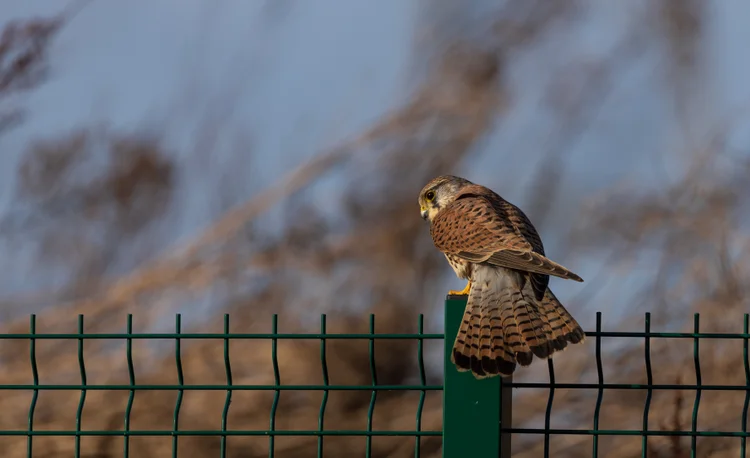
Kestrel
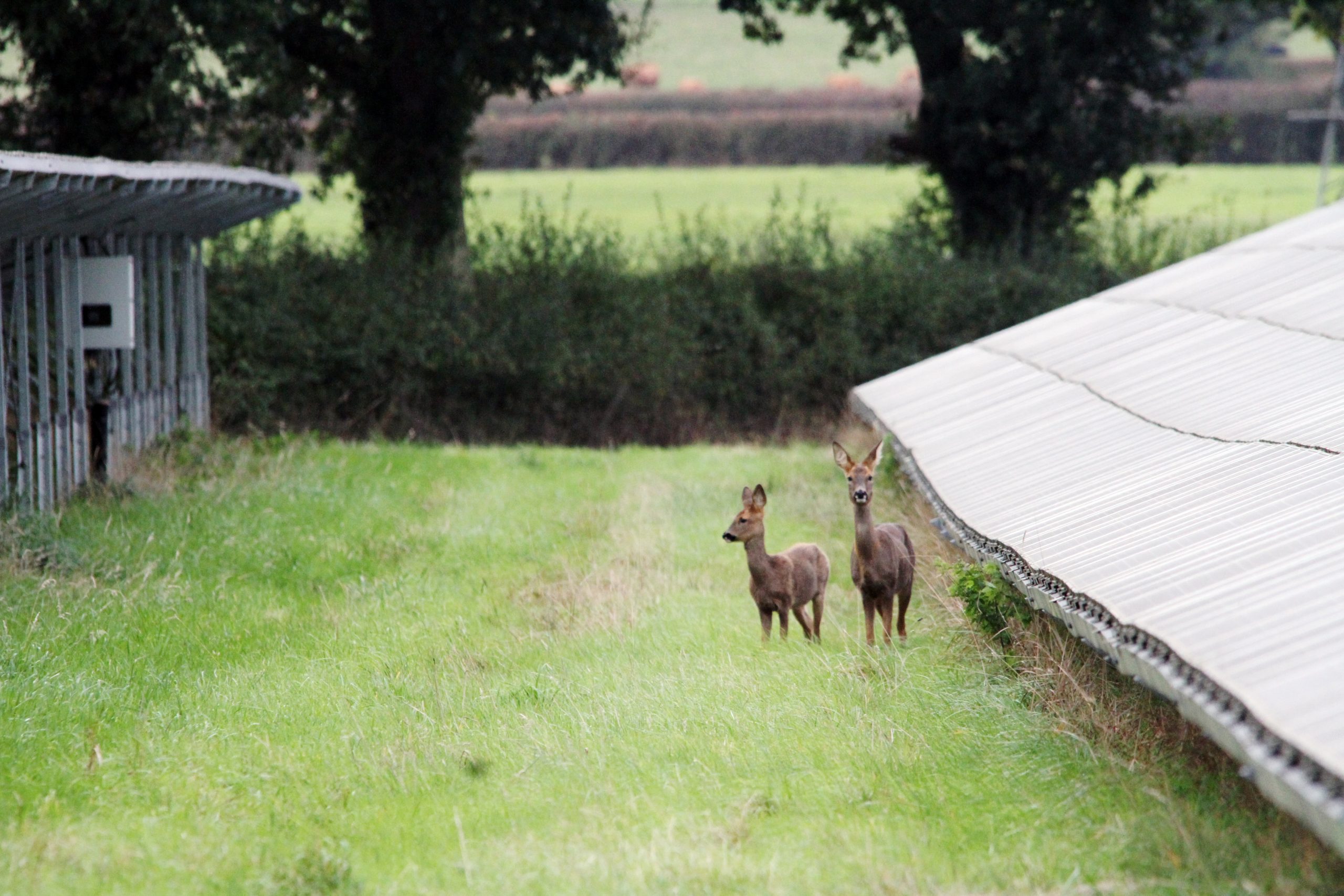
Deer
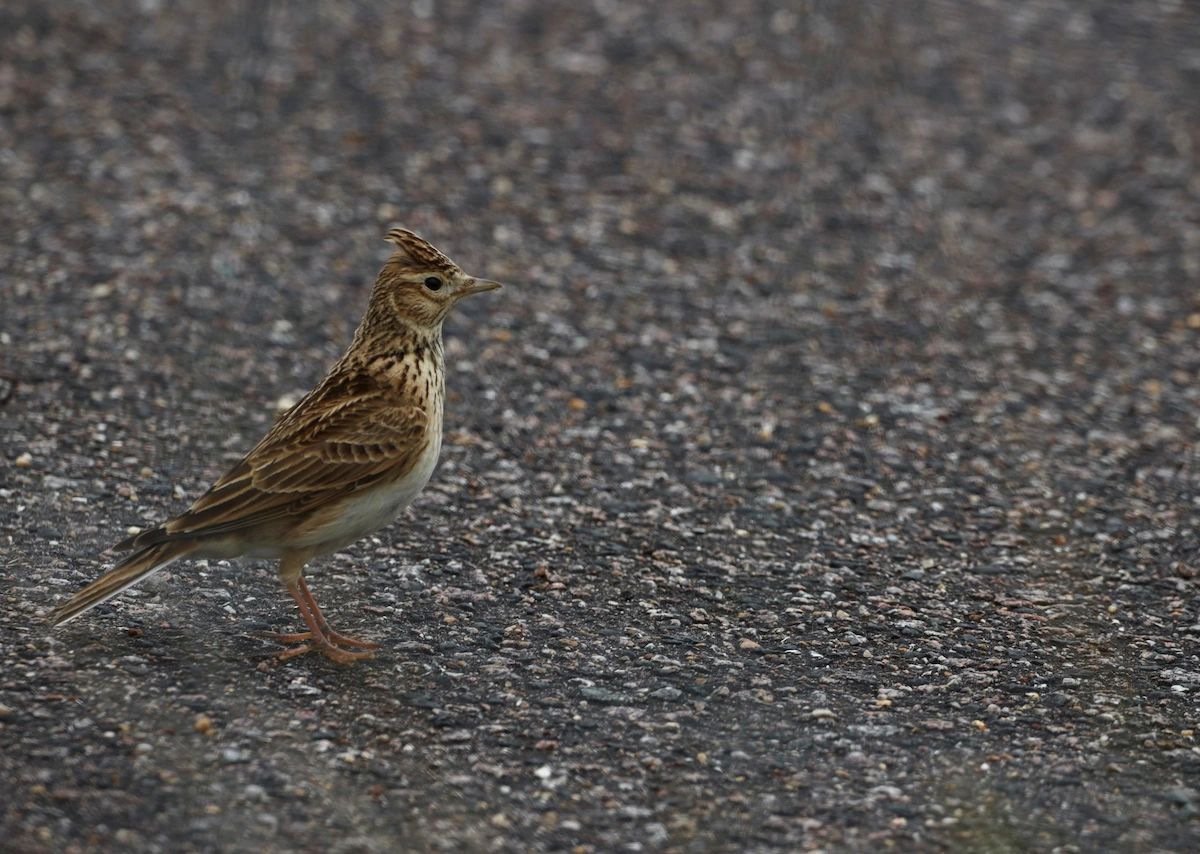
Skylark
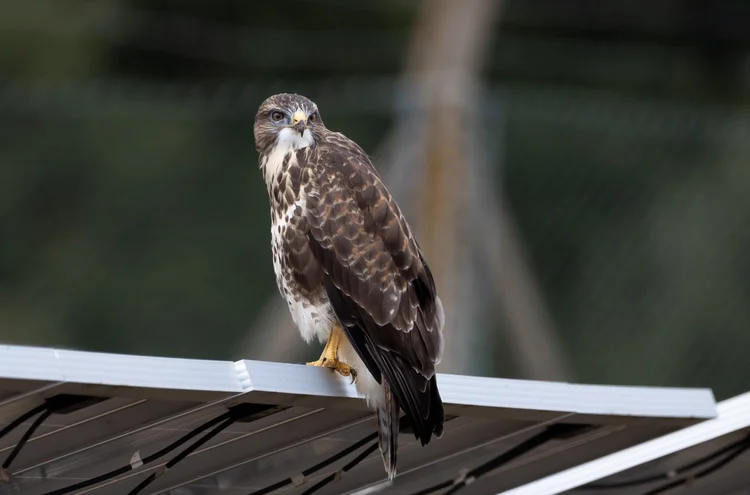
Buzzard
Monitoring wildlife over the long term
Creating habitats is only part of the story. We’re committed to understanding how those habitats develop over time and adapting our management where needed.
The site includes ongoing ecological monitoring for a range of species and habitats, including great crested newts, breeding birds, reptiles and water voles. Habitat monitoring also covers hedgerows, tree planting, wildflower areas, species-rich grassland and wet ditch networks.
Our Biodiversity Net Gain Management Plan is reviewed every five years to ensure habitats continue to establish successfully and deliver the outcomes intended. Monitoring also helps identify where additional management or enhancement measures may be beneficial.
Supporting skylarks
World’s End includes specific measures to support skylarks, a species that has experienced long-term declines across parts of the UK. Habitat management has been designed to provide suitable nesting and foraging opportunities, with dedicated monitoring helping us understand how skylarks use the site over time.
Breeding bird surveys will be undertaken throughout the operational life of the project, helping inform future habitat management and ensuring the site continues to provide suitable conditions for this important farmland species.
Designed for the local environment
World’s End sits close to a number of nationally and internationally important environmental designations associated with the Severn Estuary, including the Special Area of Conservation (SAC), Special Protection Area (SPA), Ramsar Site and Site of Special Scientific Interest (SSSI). The site was carefully designed to take account of these sensitivities and ensure appropriate environmental protections are in place.
The site also lies within Flood Zone 3. As part of the design process, key electrical infrastructure was raised to help manage flood risk and ensure the long-term resilience of the project.