Preston Solar Park
Supporting Basingstoke and Deane’s clean energy future
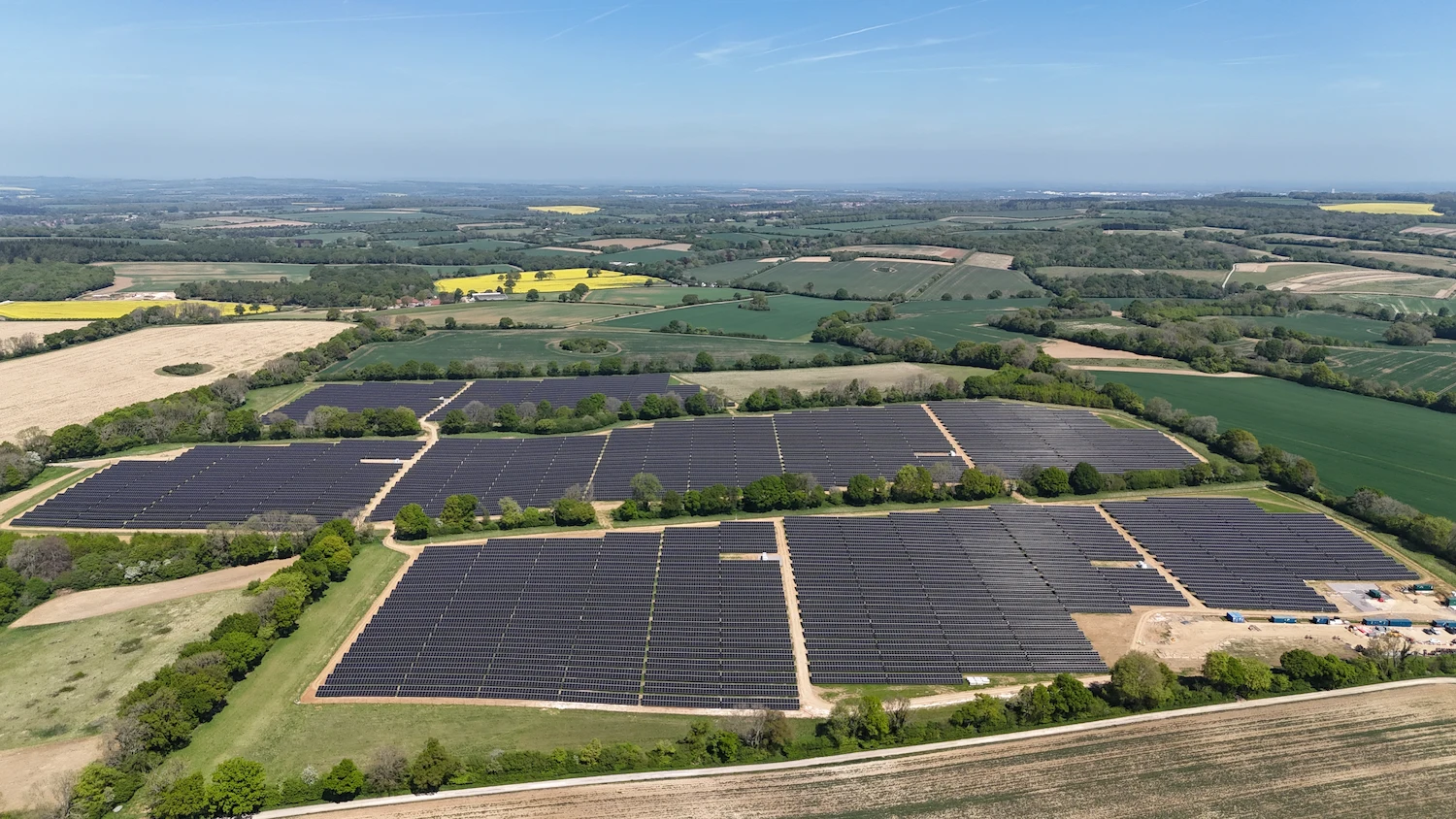
Preston Solar Park is a 28MWp solar project located near Preston Candover in Basingstoke and Deane. The site generates approximately 29,685MWh of renewable electricity each year, enough to power around 7,200 homes while avoiding around 6,800 tonnes of carbon emissions annually.
The project forms part of the UK’s transition to a cleaner, more secure energy system, providing locally generated renewable electricity while supporting nature and creating opportunities for community benefit. As an independent power producer, we develop, build, own and operate our projects for the long term, helping ensure the site continues to deliver value for decades to come.
Timeline
See how our project timeline progresses and what we do
Identify & survey
Engage & tailor
Approvals & construct
Operate & steward
Working with and for communities
Preston Solar Park includes a £40,000 community benefit fund administered by Preston Candover & Nutley Parish Council. The fund supports projects that deliver tangible benefits to local residents and community groups.
The Parish Council has indicated that funding may be used to improve local safety and help address speeding concerns within the parish, alongside other community-focused initiatives.
We remain committed to providing updates throughout the operational life of the project and maintaining strong relationships with the communities that host our sites.
The Preston Effect
Tonnes CO2 emissions avoided
Avg. domestic households served each year
Approx. hectares of land protected by solar parks
Renewable energy and nature can thrive side by side
Species-rich grassland has been established throughout Preston Solar Park, creating habitat for birds, mammals, pollinators and other wildlife. Existing trees have been retained and hedgerows strengthened through gap planting, helping create a more connected landscape across the site.
These measures are expected to deliver more than 80% Biodiversity Net Gain in habitat units and 38.64% Biodiversity Net Gain in hedgerow units, ensuring the site provides environmental improvements alongside renewable energy generation.
The site will also be managed through grazing, helping maintain healthy grassland habitats and supporting biodiversity over the long term.
Supporting local wildlife
Preston Solar Park supports a wide range of species typical of Hampshire’s farmland landscapes.
Species recorded on or around the site include:
- Skylarks
- Red kites
- Buzzards
- Brown hares
- Badgers
- Yellowhammers
- Song thrushes
- Linnets
- Woodlarks
- Roe deer
As part of the Biodiversity Management and Enhancement Plan, ecological monitoring will continue throughout the lifetime of the project, helping ensure habitats continue to develop as intended and deliver lasting benefits for wildlife.
Meet the wildlife at Preston Solar Park
Take a closer look at some of the species recorded at Preston Solar Park.
Farmland & grassland birds
- Linnet
- Skylark
- Woodlark
- Yellowhammer
- Yellow wagtail
- Wheatear
- House sparrow
Woodland & hedgerow birds
- Marsh tit
- Mistle thrush
- Redstart
- Siskin
- Song thrush
- Spotted flycatcher
- Willow tit
- Woodcock
Wetland & waterside birds
- Lapwing
- Sand martin
- Shelduck
- Water pipit
- Lesser black-backed gull
Migratory & winter visitors
- Brambling
- Dotterel
- Fieldfare
- Lesser redpoll
Birds of prey
- Red kite
Mammals
- Brown hare
- Badger
Voluntary bat surveys
As part of our commitment to understanding how nature responds to renewable energy development, Preston Solar Park forms part of BSR’s voluntary bat monitoring programme.
These surveys help us measure the long-term impact of habitat creation and land management across our sites. By monitoring bat activity over time, we’re able to better understand how wildlife uses the habitats we create and manage.
Even where surveys aren’t required by planning consent, we’ve chosen to carry them out voluntarily. This long-term approach helps inform how we manage our sites and supports a wider understanding of biodiversity within renewable energy landscapes.
Across our solar parks, surveys have recorded species including Alcathoe, Barbastelle and Common Pipistrelle bats, demonstrating how renewable energy generation and nature can thrive side by side.
Respecting local heritage
Environmental surveys identified a buried archaeological feature, known as a macula, within the north-east area of the site. To protect this heritage asset, solar panels were removed from this area during the design process, ensuring the archaeology remains undisturbed.
In total, 26 heritage assets were identified within 500 metres of the site, with four located within the site boundary. This work formed part of the wider assessment process used to design a project that responds sensitively to its surroundings.