Coldharbour Farm Solar Park
Renewable energy supporting nature across Devon
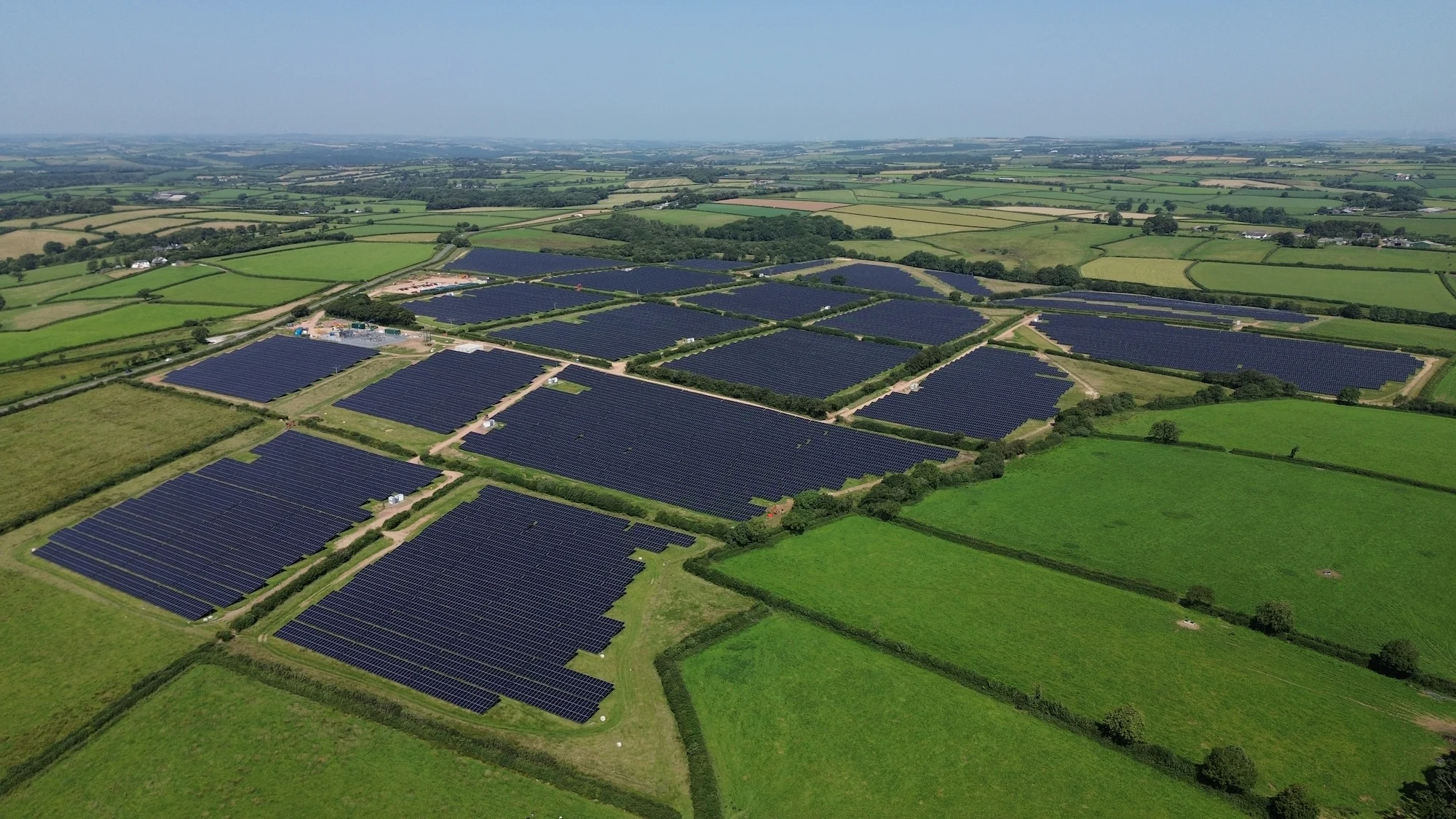
Coldharbour Farm Solar Park is a 49.99MW solar project near Ashreigney in Devon. The site generates enough renewable electricity to power around 14,869 homes each year while avoiding approximately 13,169 tonnes of carbon emissions. Alongside renewable energy generation, the project has been designed to support nature recovery, strengthen local habitats and deliver long-term benefits for the surrounding community.
Coldharbour’s output is backed by a 15-year Contract for Difference from April 2028. As an independent power producer, we develop, build, own and operate our projects for the long term. That means we’re responsible for managing the site, monitoring habitats and delivering the environmental commitments that sit alongside renewable energy generation.
Timeline
See how our project timeline progresses and what we do
Coldharbour Farm received planning consent in 2024 following detailed environmental assessment and engagement with local stakeholders.
Identify & survey
Engage & tailor
Approvals & construct
Operate & steward
Working with and for communities
Coldharbour Farm Solar Park provides an annual community benefit fund of £100 per MW of installed capacity p/a, administered by Ashreigney Parish Council. The fund supports projects that make a positive difference locally, helping ensure the benefits of the solar park are felt throughout the community.
Projects supported through the fund include village hall improvements, electric vehicle charging infrastructure, additional local parking and the development of a community hub for residents.
Discovering Coldharbour's past
Before construction began, archaeological investigations at Coldharbour Solar Park uncovered evidence of human activity stretching back thousands of years. The most significant discovery was a prehistoric round barrow, a circular burial mound that formed part of a much wider ceremonial landscape across north Devon.
Excavations revealed a surviving mound almost one metre high, surrounded by a ditch approximately 25 metres in diameter. Radiocarbon dating showed the monument was constructed between 3331 and 3217 BCE, placing it in the Later Neolithic period and making it unusually early compared with many other barrows found in the region. The discovery offers a rare insight into Devon’s prehistoric past and highlights the long history of people shaping and interacting with this landscape.
The barrow sits within a wider network of prehistoric monuments along the ridgeway between the River Torridge and River Taw, helping to build a clearer picture of how communities lived, travelled and marked important places thousands of years ago.
The Coldharbour Effect
Tonnes CO2 emissions avoided
Avg. domestic households served each year
Biodiversity Net Gain
Supporting skylarks and farmland birds
Coldharbour includes a dedicated skylark mitigation programme designed to support one of the UK’s most recognisable farmland birds.
Around seven hectares of adjacent land are managed specifically for skylarks, with additional habitat provided at Meeth Quarry Nature Reserve through a partnership with Devon Wildlife Trust.
The site also includes approximately 0.89 hectares of wild bird seed habitat, helping provide food and shelter for a range of species throughout the year.
How many species can you spot?
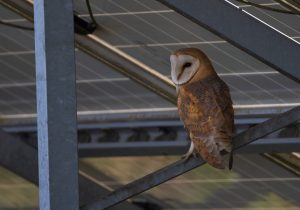
Barn owl
Barn owls depend on open grassland and field margins for hunting, making carefully managed farmland an important habitat. Coldharbour provides opportunities for barn owls to forage across the site as part of a wider landscape managed with wildlife in mind.
Kestrel
Kestrels are distinctive birds of prey, often spotted hovering above open ground while searching for small mammals. The grassland and field margins at Coldharbour provide valuable foraging habitat for this familiar farmland species.
Brown hare
Brown hares favour open farmland and grassland, where their speed and long legs make them well suited to life in open landscapes. They are one of the mammals recorded using the habitats around Coldharbour.
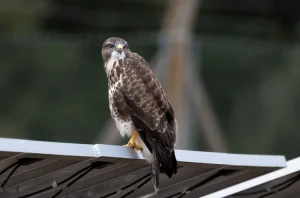
Buzzard
Buzzards are among the UK's most widespread birds of prey and can often be seen soaring above open countryside. The varied habitats around Coldharbour provide opportunities for buzzards to hunt and forage across the landscape.
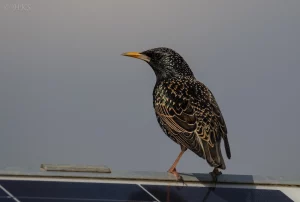
Starling
Starlings are highly social birds that feed on insects and other invertebrates found in grassland and farmland. Their distinctive speckled plumage changes with the seasons, making them an interesting species to look out for around Coldharbour.
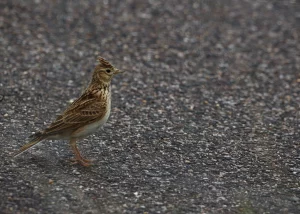
Skylark
Known for its distinctive song, the skylark is a ground-nesting farmland bird that relies on open grassland for breeding and foraging. At Coldharbour, dedicated habitat management is helping create suitable space for skylarks alongside renewable energy generation.
Wildlife at Coldharbour
Coldharbour supports a rich variety of wildlife, from farmland birds and bats to reptiles, mammals and pollinators.
Farmland & grassland birds
- Dunnock
- Linnet
- Yellowhammer
- Song thrush
- Pheasant
- Rook
- Whitethroat
- Wood pigeon
- Carrion crow
Woodland & garden birds
- Blackbird
- Blackcap
- Blue tit
- Chaffinch
- Chiffchaff
- Goldfinch
- Great tit
- Jackdaw
- Magpie
- Robin
- Willow warbler
- Wren
Wetland, migratory & birds of prey
- Snipe
- Redwing
- Fieldfare
- Swallow
- Pied wagtail
- Sparrowhawk
Bats
- Common pipistrelle
- Soprano pipistrelle
- Common noctule
- Myotis species
- Barbastelle
- Brown long-eared bat
Mammals, reptiles & amphibians
- Otter
- Common frog
- Common lizard
- Barred grass snake
Butterflies
- Peacock
- Red admiral
- Brimstone
Nature by design
Nature has been considered throughout the design of Coldharbour. The site includes bird and bat boxes, reptile hibernacula, log piles and wildlife corridors, alongside extensive hedgerow restoration and species-rich planting. Together with woodland regeneration and ecological buffer strips, these features help create a more connected landscape where wildlife can move, forage and shelter throughout the year.
Monitoring wildlife over the long term
Creating habitats is only part of the story. We also monitor how they develop over time.
Monitoring takes place throughout the life of the project and includes Biodiversity Net Gain assessments, habitat condition surveys, botanical monitoring, tree health inspections and targeted surveys for key species such as skylarks. This helps us understand how habitats are changing and ensures management decisions continue to support the wildlife and landscape around the site.