Aller Langport Solar Park
Where renewable energy supports a living landscape
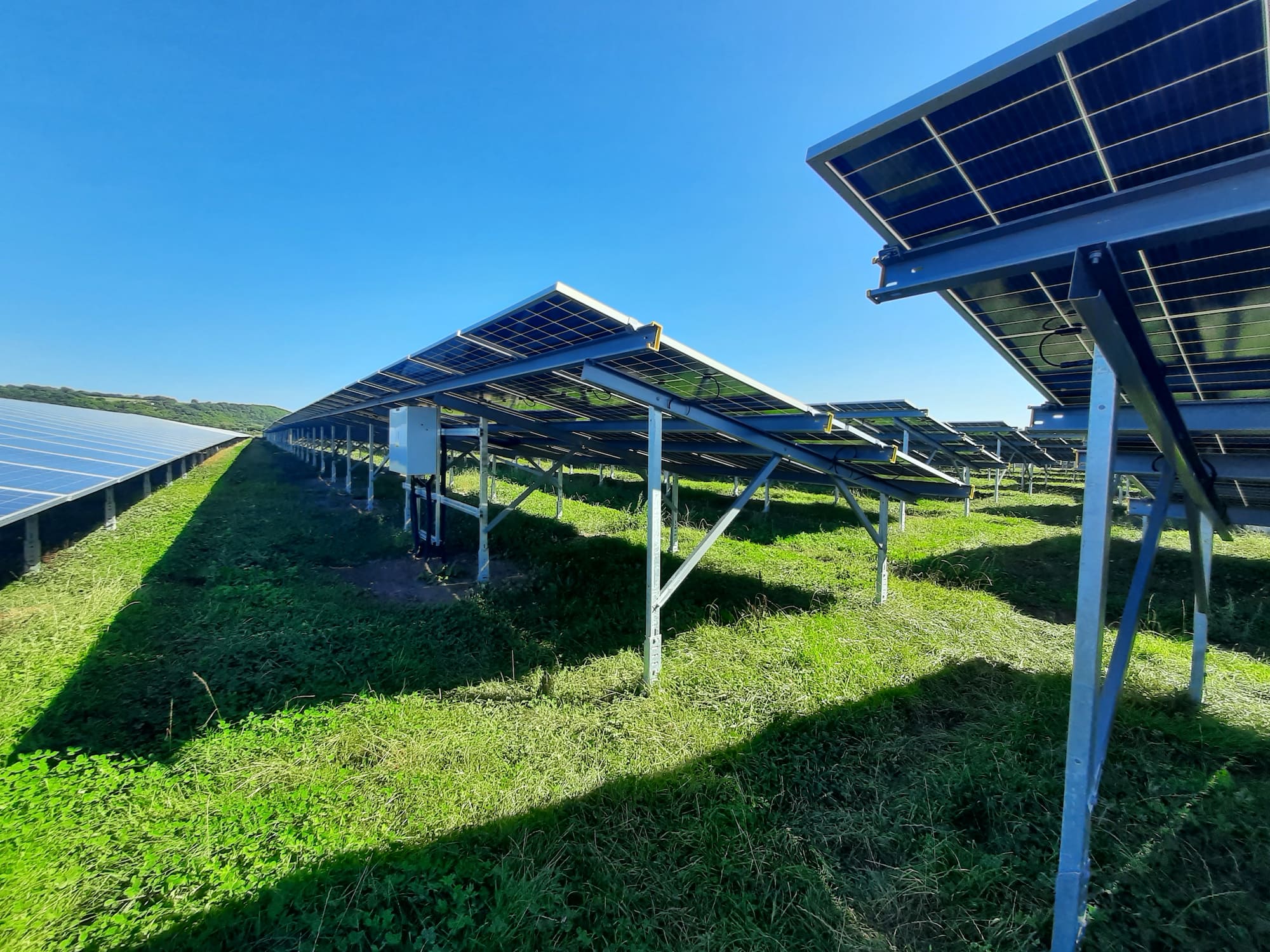
Aller Langport Solar Park generates 14GWh of clean electricity, supplying the equivalent annual energy needs of around 3,501* homes and avoiding approximately 3,101 tonnes! of CO₂ each year. Alongside its contribution to local energy resilience, the site has become an important space for wildlife, shaped through long‑term ecological care and partnerships focused on genuine environmental benefit.
*Based on an annual average domestic consumption per household (Great Britain) of 3,799 kWh. Source BEIS, Regional and Local authority electricity consumption statics 2018.5
! Based on ‘Emissions associated with the generation of electricity at a power station (Electricity generation factors do not include transmission and distribution). Source BEIS, Greenhouse gas reporting: conversion factors 2020.
Project progress
Identify & survey
Finding the right land and grid connections, backed by in-depth feasibility and environmental studies.
Engage & tailor
Working with local authorities, parish councils, and communities to shape each proposal responsibly.
Approve & construct
Securing planning permission and delivering projects to the highest technical and environmental standards.
Operate & steward
Managing our sites for the long term, with biodiversity initiatives and a clear “leave no trace” approach.
Explore the Aller Langport Virtual Tour
Discover Aller Langport through our interactive virtual tour. Move through key areas of the site, from energy generation and infrastructure to habitat creation and land management, and see how everything works together on the ground.
A site designed to support wildlife
The solar park has been designed to create and connect habitats while protecting existing wildlife. New hedgerow planting and screening will strengthen wildlife corridors across the site, while specialist fencing has been installed around an active badger sett to avoid disturbance.
Creating habitat for rare bumblebees
Working with the Bumblebee Conservation Trust and Habitat Aid, we are creating tailored wildflower habitat to support pollinators, including the Shrill Carder Bee, one of the UK’s rarest bumblebees.
Two areas within the solar park have been planted with specially selected wildflower mixes to provide valuable foraging habitat for pollinating insects.
Giving wildflowers time to flourish
Grazing is paused during the summer flowering period, giving wildflowers time to establish and providing pollinators with an important source of forage.
Managing the habitat for the long term
In early autumn, the wildflowers are cut and the seeds allowed to fall naturally, helping the habitat regenerate for the following year. The cut material is baled for use on the farm, before carefully timed grazing prepares the ground for the next growing season.
Other ecological enhancements
Regular ecological monitoring

We monitor this site regularly, which helps guide how it’s managed over time.
Strengthening wildlife corridors

New hedgerow planting improves connectivity across the site, supporting movement for a wide range of species.
Protecting existing wildlife

A section of the site has been specifically designated to protect existing wildlife.
Building stronger biodiversity over time
Understanding how wildlife uses Aller Langport helps us care for the site in a way that supports biodiversity over the long term.
As part of a wider voluntary monitoring programme across BSR sites, we carry out bat surveys at Aller Langport to track the species using the site and understand how this changes over time. Surveys have recorded species including Barbastelle, Alcathoe and Common Pipistrelle, while bat boxes provide additional places for bats to roost.
The findings build our understanding of the site’s ecology and help inform how habitats are managed and cared for over time.
How many species can you spot?
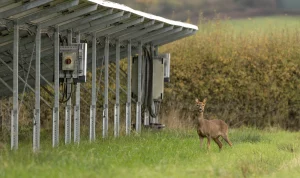
Roe Deer
Roe deer have been spotted at Aller Langport, making use of the grassland, field edges and habitats around the solar park.
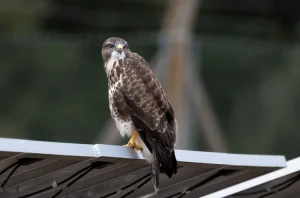
Buzzard
Buzzards are a familiar sight over open countryside. At Aller Langport, these birds of prey are among the species recorded using the landscape around the site.
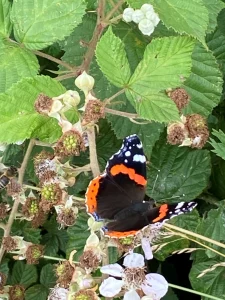
Admiral butterfly
Admirals are among the butterflies recorded at Aller Langport. Look out for their striking red, black and white markings around flowering areas.
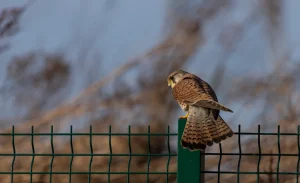
Kestrel
Kestrels are another bird of prey spotted at Aller Langport. Keep an eye out for their characteristic hovering as they search for food over open ground.
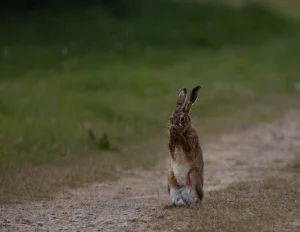
Hare
Hares have been recorded at Aller Langport, where open grassland and field margins provide habitat within the wider landscape.
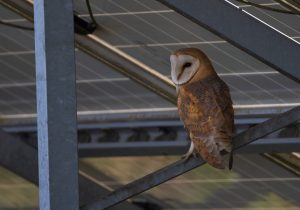
Barn owl
Barn owls are one of the species recorded at Aller Langport. Look out for these distinctive birds hunting over grassland and field margins around the site.
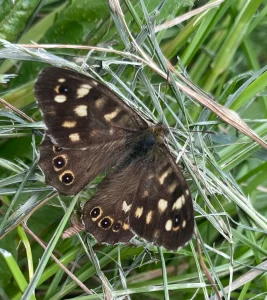
Speckled wood butterfly
Speckled wood butterflies have also been spotted at Aller Langport, particularly around the more sheltered edges of the landscape
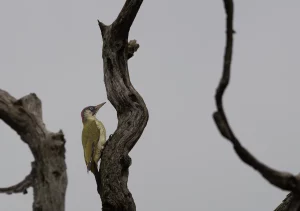
Green woodpecker
Green woodpeckers have been recorded at Aller Langport. Unlike many woodpeckers, they spend plenty of time on the ground, where they forage for ants.
Learning from long‑term monitoring
Ecologists conduct scheduled walkovers in years 1, 2, 3, 5 and 10 to assess grassland development, hedgerow condition and habitat features such as log piles, bird boxes and hibernacula. The insights collected help us refine how we manage the site, ensuring habitats continue to mature in ways that benefit a diverse range of species.