Rampisham Solar Park
Protecting one of Dorset’s most important landscapes
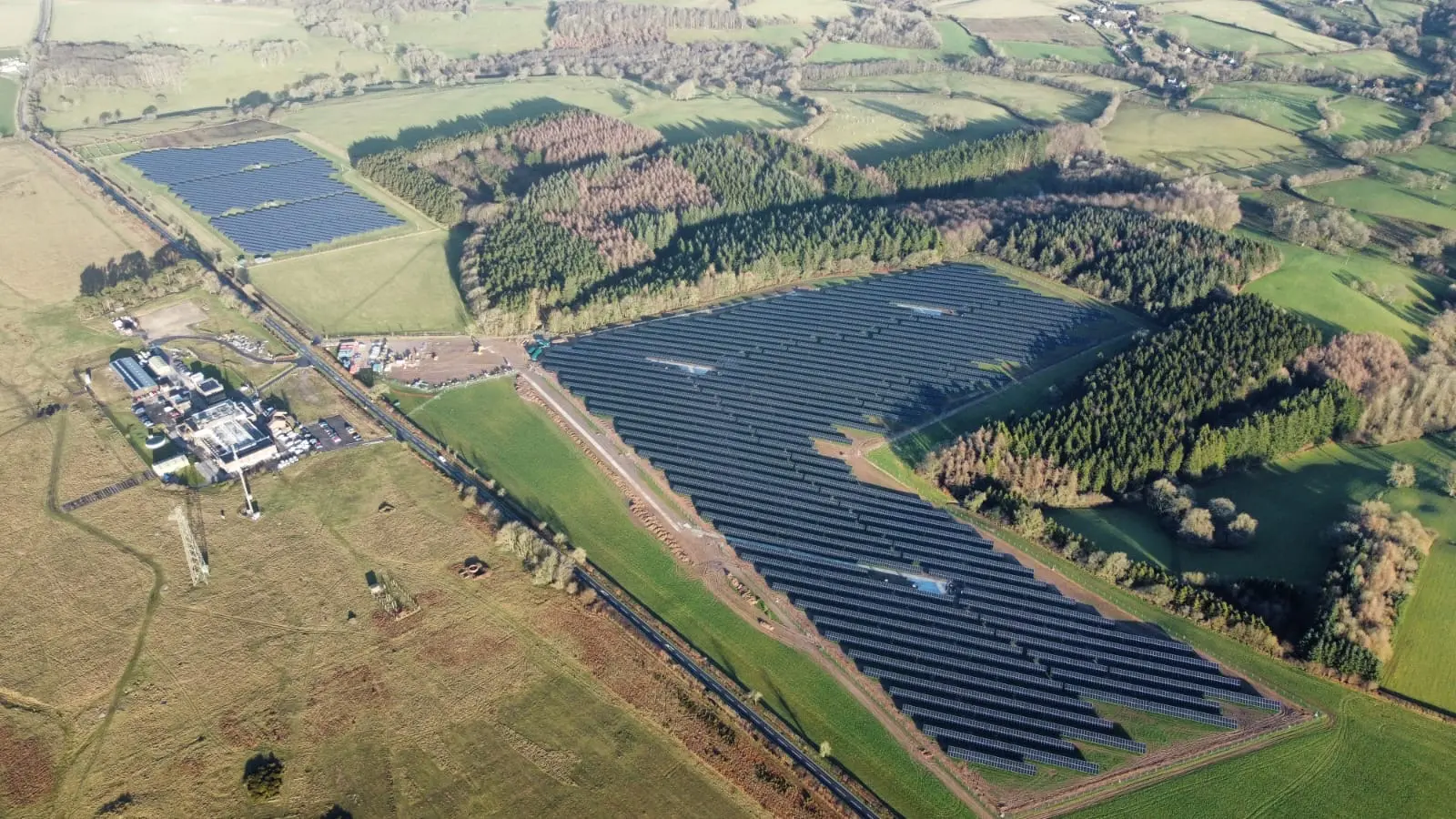
Rampisham Woods Solar Park generates enough renewable electricity to power approximately 2,551 homes each year while avoiding around 2,259 tonnes of carbon emissions. Located in West Dorset, the site shows how renewable energy can be delivered alongside the protection of nationally important habitats, heritage assets and local wildlife.
As an independent power producer, we own and operate the site for the long term, helping ensure it continues to deliver renewable energy while supporting the surrounding landscape for decades to come.
Project timeline
Identify & survey
Finding the right land and grid connections, backed by in-depth feasibility and environmental studies.
Engage & tailor
Working with local authorities, parish councils, and communities to shape each proposal responsibly.
Approve & construct
Securing planning permission and delivering projects to the highest technical and environmental standards.
Operate & steward
Managing our sites for the long term, with biodiversity initiatives and a clear “leave no trace” approach.
Protecting nationally significant habitats
Rampisham Woods sits alongside Rampisham Down SSSI, one of Dorset’s most important grassland habitats. Working with Natural England, Historic England, Dorset Council and Dorset AONB, we identified a location that would enable renewable energy generation while protecting the SSSI and its rare grassland habitat. The project also supports the long-term management of the surrounding landscape, including the historic Rampisham Deer Park Pale.
Through this collaboration, the project also secured wider community and environmental benefits, including:
- Removal of all but three remaining transmitter towers
- Long‑term management of an ancient deer park
- Biodiversity enhancements across the surrounding landscape
Heritage and landscape
The site sits alongside the Rampisham Deer Park Pale, a Scheduled Monument that forms part of Dorset’s medieval landscape.
A dedicated Heritage Management Plan supports the long-term management of this important feature, alongside native planting and landscape enhancements designed to protect its setting and character.
Nature protection and biodiversity
Nature has been a key consideration throughout the design and operation of Rampisham Woods.
Existing hedgerows, mature trees and wildlife corridors have been retained and strengthened across the site. Additional hedgerow planting, species-rich grassland and wildflower areas help support biodiversity while maintaining the character of the surrounding landscape.
The site also remains in agricultural use through managed livestock grazing, helping maintain grassland habitats and supporting local wildlife.
Wildlife at Rampisham Woods
Surveys identified a range of species using the site and surrounding habitats, including:
- Badger
- Roe deer
- Bats
- Great crested newts
- Reptiles
- Breeding birds
The site’s management plan has been designed to support these species through habitat enhancement, long-term landscape management and ecological monitoring.
Supporting skylarks
Four dedicated skylark plots have been established across the site, providing nesting and foraging habitat for this declining farmland bird. These areas form part of the long-term habitat management plan and are supported through ongoing monitoring.
Monitoring wildlife
Bird and bat monitoring is carried out across the site as part of its long-term management.
The mature hedgerows, woodland edges and grassland habitats at Rampisham Woods provide important foraging and commuting habitat for wildlife. Monitoring helps us understand how species are using the site and informs future management decisions.
Dedicated skylark plots have also been established to provide nesting and foraging habitat for this declining farmland bird.