Town Farm Solar Park
Supporting East Suffolk’s transition to clean, local energy
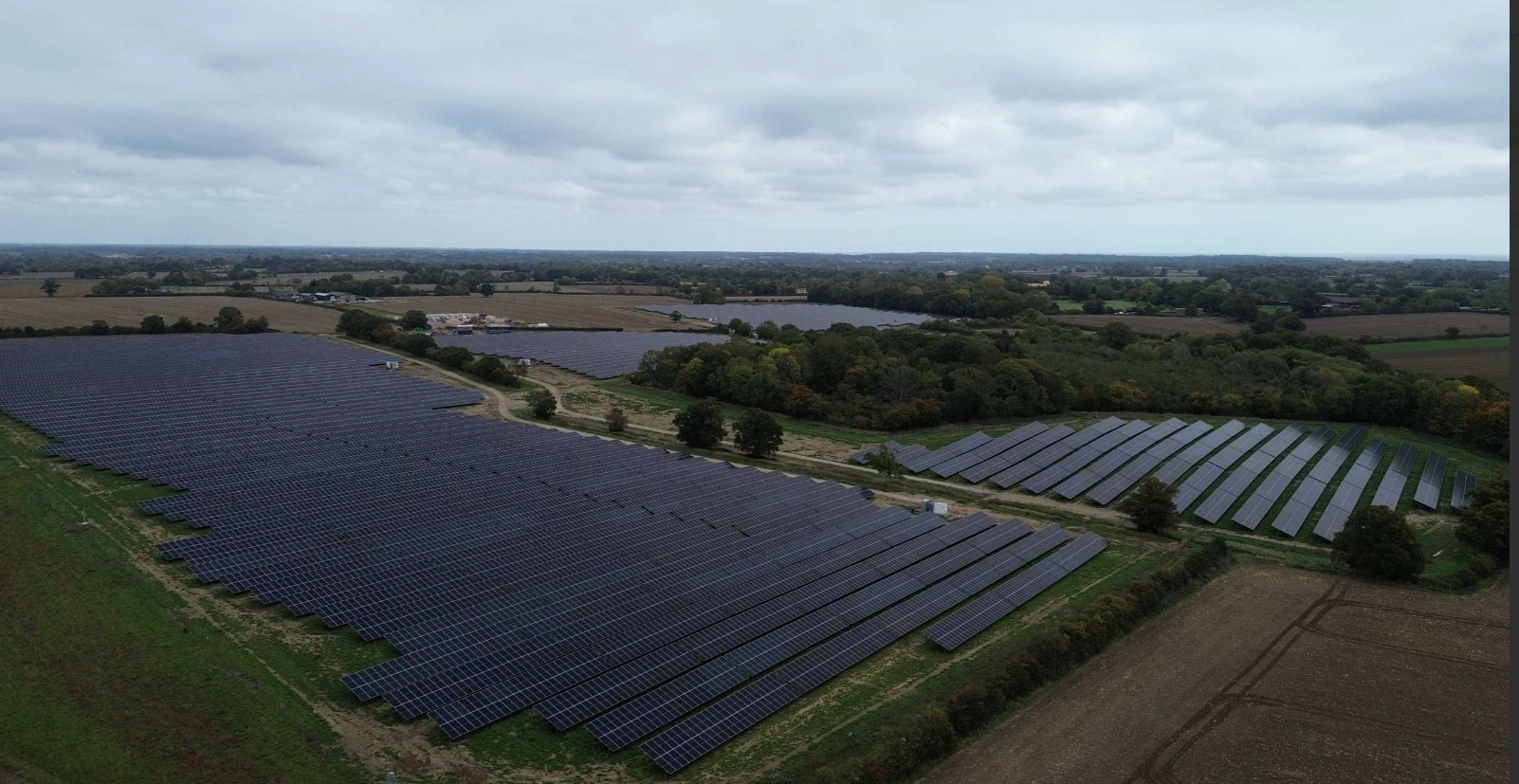
Town Farm Solar Park is a 21MWp solar project near Kelsale cum Carlton in East Suffolk. Once operational, it is expected to generate enough renewable electricity to power approximately 5,251 homes each year, while avoiding around 4,651 tonnes of CO₂ emissions annually.
Alongside generating clean energy, the site has been designed to strengthen local habitats, create new opportunities for wildlife and support the surrounding community. As an independent power producer, we’ll own and operate Town Farm for the long term, keeping us responsible for both the energy we generate and the land around it.
Timeline
See how our project timeline progresses and what we do
Follow Town Farm’s journey from development to operation Town Farm Solar Park has progressed through planning, environmental assessment and construction and is moving towards operation. Explore the timeline below to see the key stages of the project and where we are today.
Identify & survey
Engage & tailor
Approvals & construct
Operate & steward
Working with and for communities
Town Farm Solar Park will provide a £21,000 Community Benefit Fund to support local initiatives. The first payment is expected in early 2027, following the site becoming operational.
As a long-term owner and operator, we’ll remain part of the local area throughout the life of the solar park, continuing to manage the site and maintain relationships with the communities around it.
The Town Farm Effect
Tonnes CO2 emissions avoided
Avg. domestic households served each year
Approx. hectares of land protected by solar parks
Designed to work with nature, season by season
Town Farm has been designed to generate renewable energy while creating a richer landscape for wildlife. Habitat improvements are expected to deliver 230% Biodiversity Net Gain, significantly increasing the ecological value of the site.
Grassland will be managed outside the skylark nesting season, while pollinator planting will provide additional food for insects and birds. New trees and hedgerows will create more opportunities for feeding, shelter and nesting, with wild bird seed planting providing additional habitat across the site.
These measures form part of the site’s long-term Landscape and Ecological Management Plan (LEMP), which will continue to guide how habitats are cared for throughout the life of the project.
How many species can you spot?
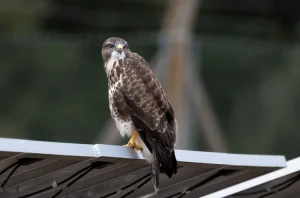
Buzzard
Buzzards are often seen soaring over open countryside as they search for food below. At Town Farm, they are among the birds of prey recorded using the landscape around the solar park.
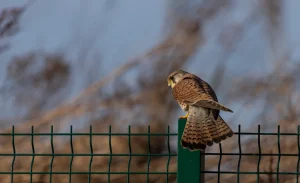
Kestrel
Known for hovering almost motionless in the air while hunting, kestrels are a familiar sight across farmland. The grassland and field margins at Town Farm provide opportunities for them to forage.
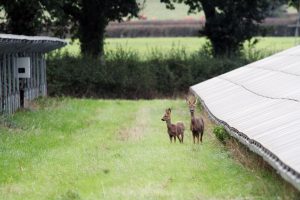
Roe deer
Roe deer use a mix of farmland, hedgerows and woodland for feeding and shelter. They have been recorded around Town Farm, where connected habitats help wildlife move through the wider landscape.
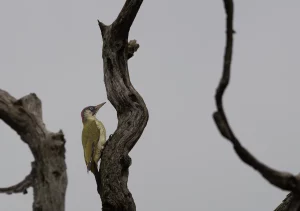
Green woodpecker
Green woodpeckers spend much of their time feeding on the ground, particularly in grassland where they search for ants. They are one of the woodland and farmland birds recorded around Town Farm.
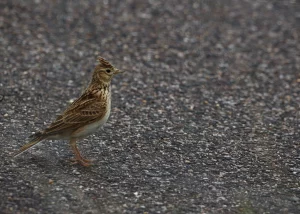
Skylark
Known for its distinctive song, the skylark is a ground-nesting farmland bird that relies on open grassland for breeding and foraging. At Coldharbour, dedicated habitat management is helping create suitable space for skylarks alongside renewable energy generation.
Wildlife at Town Farm
Town Farm supports a varied mix of wildlife, with farmland and woodland birds, birds of prey and mammals recorded around the site. Species include skylarks, yellowhammers, linnets, green woodpeckers, buzzards and kestrels, alongside roe deer and muntjac deer.
Farmland & grassland birds
- Skylark
- Yellowhammer
- Linnet
- Reed bunting
- Pheasant
- Red-legged partridge
- Stock dove
- Pied wagtail
Woodland & hedgerow birds
- Dunnock
- Bullfinch
- Chaffinch
- Goldfinch
- Robin
- Blackbird
- Song thrush
- Blue tit
- Great tit
- Blackcap
- Chiffchaff
- Whitethroat
- Willow warbler
- Great spotted woodpecker
- Green woodpecker
- Wren
- Marsh tit
Gulls, water-associated & migratory birds
- Mallard
- Black-headed gull
- Common gull
- Herring gull
- Fieldfare
- Swift
Birds of prey
- Buzzard
- Marsh harrier
- Kestrel
- Corvids
- Carrion crow
- Jay
- Magpie
- Rook
Mammals
- Roe deer
- Muntjac deer
Restoring the pond
Alongside the wider landscape and ecological improvements, we’re carrying out additional restoration work to enhance the existing pond at Town Farm. This sits outside the requirements of the Landscape and Ecological Management Plan and provides another opportunity to improve habitat for wildlife across the site.
A great crested newt licence has also been in place at Town Farm, helping ensure appropriate measures are taken to protect this legally protected species during the development of the project.
A glimpse into the past
Archaeological investigations at Town Farm included 158 trial trenches across the development area, revealing evidence of how the landscape has changed over hundreds of years. Findings included historic field boundaries and evidence of medieval activity, including a pit containing medieval pottery, charcoal and burnt flint.
Investigations also identified an area of potential archaeological interest in the north-east of the site. The solar park design was adjusted in response, leaving this area undeveloped as an Archaeological Exclusion Zone to protect what may remain beneath the ground.